


Introduction
Choosing the best medical instruments for home healthcare is one of the most important decisions you can make for your family’s well-being. Home healthcare has become increasingly popular as more people monitor their health from the comfort of their homes. Whether you are managing a chronic illness, caring for an elderly family member, recovering after surgery, or simply preparing for emergencies, having the right medical equipment can make a significant difference.
However, with hundreds of medical devices available online and in stores, selecting the right products can feel overwhelming. Some devices offer advanced digital features, while others focus on simplicity and affordability. Knowing what to look for before making a purchase helps you avoid low-quality products and ensures accurate health monitoring.
In this guide, you’ll learn how to choose the best medical instruments for home healthcare, the essential devices every household should own, and practical tips for maintaining them properly.
Why Home Medical Instruments Are Important
Medical instruments designed for home use help individuals monitor their health regularly without frequent visits to hospitals or clinics. Early detection of health changes often leads to quicker treatment and better outcomes.
Benefits of having medical instruments at home include:
- Regular monitoring of vital signs
- Early detection of health problems
- Better management of chronic diseases
- Reduced healthcare costs
- Convenience and time savings
- Improved communication with healthcare professionals
These tools provide peace of mind and allow families to respond quickly during medical emergencies.
Factors to Consider When Choosing Medical Instruments
1. Accuracy Comes First
Accuracy should always be your top priority. A medical device is only useful if it provides reliable and consistent results.
Look for products that have been clinically tested or approved by recognized health organizations. Reading customer reviews can also help determine whether a device performs consistently.
2. Ease of Use
The best medical instruments for home healthcare should be simple enough for anyone in the household to operate.
Helpful features include:
- Large digital displays
- One-button operation
- Automatic measurements
- Easy-to-read instructions
- Memory storage for previous readings
Devices that are easy to use encourage regular health monitoring.
3. Product Quality and Durability
Medical instruments are long-term investments. High-quality devices typically last longer and maintain their accuracy over time.
Choose reputable manufacturers known for producing reliable healthcare products rather than extremely cheap alternatives with poor reviews.
4. Safety Certifications
Always check whether the device meets recognized safety and quality standards.
Certified medical devices undergo testing to ensure they are safe, reliable, and suitable for home use.
5. Smart Features
Many modern healthcare devices include digital technology that makes health monitoring easier.
Useful smart features include:
- Bluetooth connectivity
- Smartphone applications
- Cloud storage
- Automatic data tracking
- Health trend analysis
- Reminder notifications
These features allow users to monitor their progress over weeks or months.
6. Warranty and Customer Support
Reliable customer service is another important consideration.
Choose products that offer:
- Manufacturer warranty
- Technical support
- Easy replacement options
- Clear user manuals
Good after-sales support can save time and money if problems arise.
Essential Medical Instruments Every Home Should Have
Digital Thermometer
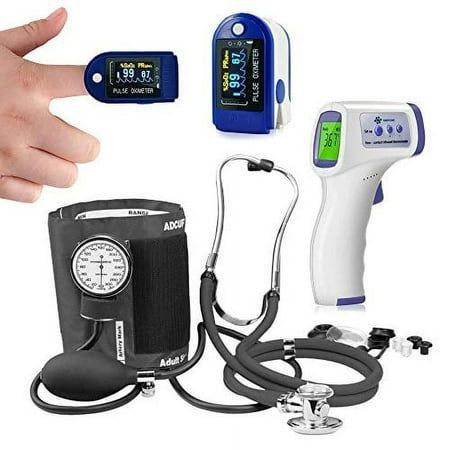
A digital thermometer is one of the most basic yet essential medical tools. It provides fast and accurate temperature readings and is much safer than traditional mercury thermometers.
Blood Pressure Monitor
People with high blood pressure should monitor their readings regularly.
Automatic upper-arm blood pressure monitors generally provide more accurate results than wrist models and are easy to use at home.
Pulse Oximeter
A pulse oximeter measures oxygen saturation levels and heart rate within seconds.
This device became especially valuable during respiratory illnesses and remains useful for people with asthma, heart disease, or chronic lung conditions.
Blood Glucose Monitor
Individuals living with diabetes need a reliable blood glucose monitor for daily blood sugar testing.
Modern glucose meters require only a tiny blood sample and produce results within seconds.
Digital Weight Scale
Maintaining a healthy weight is an important part of overall wellness.
Many smart scales now measure:
- Body weight
- Body Mass Index (BMI)
- Body fat percentage
- Muscle mass
- Water percentage
These measurements help users track long-term health goals.
First Aid Kit
Every household should keep a fully stocked first aid kit.
Essential supplies include:
- Adhesive bandages
- Sterile gauze
- Medical tape
- Antiseptic wipes
- Disposable gloves
- Tweezers
- Scissors
- Pain relievers
Regularly check expiration dates and replace used items.
Where to Buy Medical Instruments
When purchasing the best medical instruments for home healthcare, always choose trusted retailers or authorized medical suppliers.
Before buying:
- Compare product specifications.
- Read verified customer reviews.
- Check warranty information.
- Review return policies.
- Ensure the seller is reputable.
Avoid counterfeit medical equipment, as inaccurate readings can put your health at risk.
Common Mistakes to Avoid
Many buyers unknowingly purchase unsuitable medical devices.
Avoid these common mistakes:
- Buying the cheapest product without checking quality
- Ignoring product reviews
- Choosing devices without safety certifications
- Failing to read the instruction manual
- Using expired accessories
- Forgetting regular maintenance
- Replacing batteries too late
Making informed purchasing decisions helps ensure reliable performance.
Tips for Maintaining Medical Instruments
Proper care extends the life of your medical equipment and maintains its accuracy.
Follow these maintenance tips:
- Clean devices after each use.
- Store equipment in a cool, dry place.
- Keep devices away from moisture.
- Replace batteries regularly.
- Calibrate instruments if recommended.
- Follow all manufacturer instructions.
- Keep accessories organized and clean.
Routine maintenance ensures dependable performance whenever you need it.
Who Benefits Most from Home Medical Instruments?
Although every household can benefit, home medical equipment is especially useful for:
- Older adults
- Individuals with diabetes
- People with hypertension
- Patients recovering from surgery
- Pregnant women
- Families with young children
- Individuals with chronic respiratory conditions
These devices make everyday health monitoring simpler and more convenient.
Final Thoughts
Choosing the best medical instruments for home healthcare is about more than simply buying medical devices. It involves selecting products that are accurate, durable, easy to use, and supported by reliable manufacturers.
Essential tools such as a digital thermometer, blood pressure monitor, pulse oximeter, blood glucose monitor, weight scale, and first aid kit help families monitor their health confidently at home. Investing in high-quality equipment today can improve long-term health management, reduce unnecessary medical visits, and provide peace of mind during emergencies.
By understanding your healthcare needs and choosing dependable medical instruments, you can build a safer and healthier home for yourself and your loved ones.
Frequently Asked Questions (FAQs)
What are the best medical instruments for home healthcare?
The most important home healthcare instruments include a digital thermometer, blood pressure monitor, pulse oximeter, blood glucose monitor, digital weight scale, and a well-stocked first aid kit.
How do I know if a medical device is accurate?
Choose products from reputable brands that have been clinically tested, certified, and reviewed positively by verified users.
Should I buy smart medical devices?
Smart devices are helpful if you want to track your health over time using smartphone apps and cloud storage. They are especially useful for people managing chronic conditions.
How often should I replace home medical instruments?
Replace medical devices when they no longer provide accurate readings, become damaged, or reach the end of their recommended lifespan. Always replace accessories such as batteries and glucose test strips as needed
I