

Taking care of your family’s health starts at home. Thanks to modern technology, many Health Instruments are now affordable, easy to use, and highly accurate. These devices allow you to monitor important health signs, detect potential problems early, and make informed decisions before visiting a healthcare provider.
Whether you are caring for children, older adults, or simply maintaining your own well-being, having the right Health Instruments at home is a smart investment.
Why Health Instruments Are Important
Health emergencies can happen without warning. By keeping essential Health Instruments at home, you can:
- Monitor your health regularly
- Detect health problems early
- Reduce unnecessary clinic visits
- Keep track of chronic conditions
- Provide better care for your family
Let’s explore the top 10 health instruments every home should have in 2026.
1. Digital Thermometer
A digital thermometer is one of the most important health tools for every household. It provides quick and accurate body temperature readings.
Benefits
- Fast results
- Easy to use
- Suitable for adults and children
- Helps detect fever early
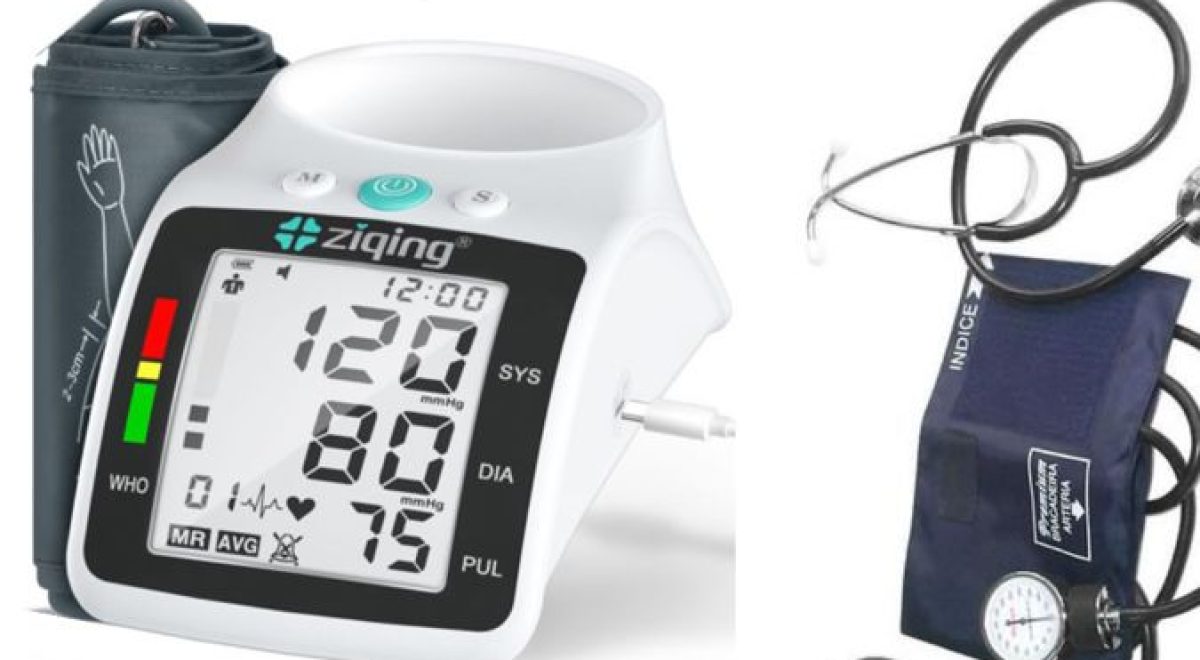
2. Blood Pressure Monitor
High blood pressure often develops without noticeable symptoms. A home blood pressure monitor helps you check your blood pressure regularly.
Benefits
- Monitors heart health
- Detects hypertension early
- Ideal for older adults
- Easy digital readings
3. Pulse Oximeter
A pulse oximeter measures blood oxygen levels and heart rate within seconds.
Benefits
- Measures oxygen saturation
- Useful during respiratory illness
- Compact and portable
- Simple fingertip operation
4. Blood Glucose Meter
People living with diabetes should always have a blood glucose meter at home.
Benefits
- Monitors blood sugar levels
- Helps manage diabetes
- Provides fast readings
- Easy daily tracking
5. Digital Weighing Scale
Maintaining a healthy weight is an important part of overall wellness.
Benefits
- Tracks weight changes
- Supports fitness goals
- Helps monitor obesity risks
- Easy to use
6. Nebulizer
A nebulizer delivers medication directly into the lungs through a fine mist.
Benefits
- Helps asthma patients
- Supports respiratory treatment
- Easy for children and seniors
- Effective medication delivery
7. First Aid Kit
Every home should have a well-stocked first aid kit for minor injuries and emergencies.
Essential Items
- Bandages
- Antiseptic wipes
- Medical tape
- Gauze pads
- Scissors
- Disposable gloves
8. Infrared Forehead Thermometer
This modern thermometer provides contact-free temperature measurements.
Benefits
- Hygienic
- Quick readings
- Suitable for babies
- Easy to clean
9. Smart Fitness Tracker
Smart fitness trackers help monitor daily physical activity and overall health.
Features
- Step counting
- Heart rate monitoring
- Sleep tracking
- Calorie tracking
- Exercise reminders
10. Portable ECG Monitor
Portable ECG monitors allow users to check heart rhythm from home.
Benefits
- Detects irregular heartbeat
- Monitors heart rhythm
- Easy smartphone connectivity
- Helpful for heart patients
Tips for Choosing the Best Health Instruments
Before buying any Health Instruments, consider the following:
- Accuracy and reliability
- Easy-to-read display
- Ease of use
- Battery life
- FDA or CE certification
- Warranty and customer support
Choosing quality devices ensures better performance and more reliable health monitoring.
Final Thoughts
Having the right Health Instruments at home can improve your family’s safety and overall well-being. These devices make it easier to monitor your health, identify potential problems early, and support better healthcare decisions.
Start with the essentials, such as a digital thermometer, blood pressure monitor, and first aid kit. As your family’s needs grow, you can add more advanced health instruments like a pulse oximeter, blood glucose meter, or portable ECG monitor.
Investing in reliable Health Instruments today can help you enjoy a healthier and safer future.
Frequently Asked Questions (FAQs)
What are Health Instruments?
Health Instruments are medical devices used to monitor, measure, and manage different aspects of health at home or in healthcare settings.
Which Health Instrument is most important for every home?
A digital thermometer is considered one of the most essential health instruments because it helps detect fever quickly.
Are home Health Instruments accurate?
Yes. High-quality health instruments from trusted manufacturers provide reliable and accurate results when used correctly.
How often should I use Health Instruments?
The frequency depends on your health needs. Some devices, like blood pressure monitors or glucose meters, may be used daily, while others are used only when necessary.